RV refrigerator repair around Tampa Bay
Searches for RV fridge repair around Tampa peak in May, as the first hot weeks arrive. Many RVs still carry an absorption fridge that cools with heat and ammonia, and it struggles when the air behind it can't get out.
The tech comes to the RV — a campsite, your driveway or a storage lot.

Gas smell? Leave the RV right away and take everyone with you. If the cylinder valve is within safe reach, close it; then phone 911 from a distance.
Signs something is wrong
- Cold on gas but warm on electric
Or cold on electric but warm on gas. A problem on one mode points to its own parts — the electric heater, a fuse, the burner — not the cooling unit.
- Warm on every setting
Still warm at dawn whatever mode it's in? The cooling unit may be on its way out, although an off-level coach or trapped heat can mimic that.
- Sharp chemical smell or a yellow stain
Signs that the sealed cooling unit is leaking. Switch the fridge off, air out the RV and leave it off until a tech has seen it.
- Water pooling inside
Muggy air condenses on the coldest surfaces. A worn door gasket or a blocked drain lets it build up.
What you can check
- Level the RVAbsorption units need the coach close to level in both directions, so check with a bubble level on the freezer floor.
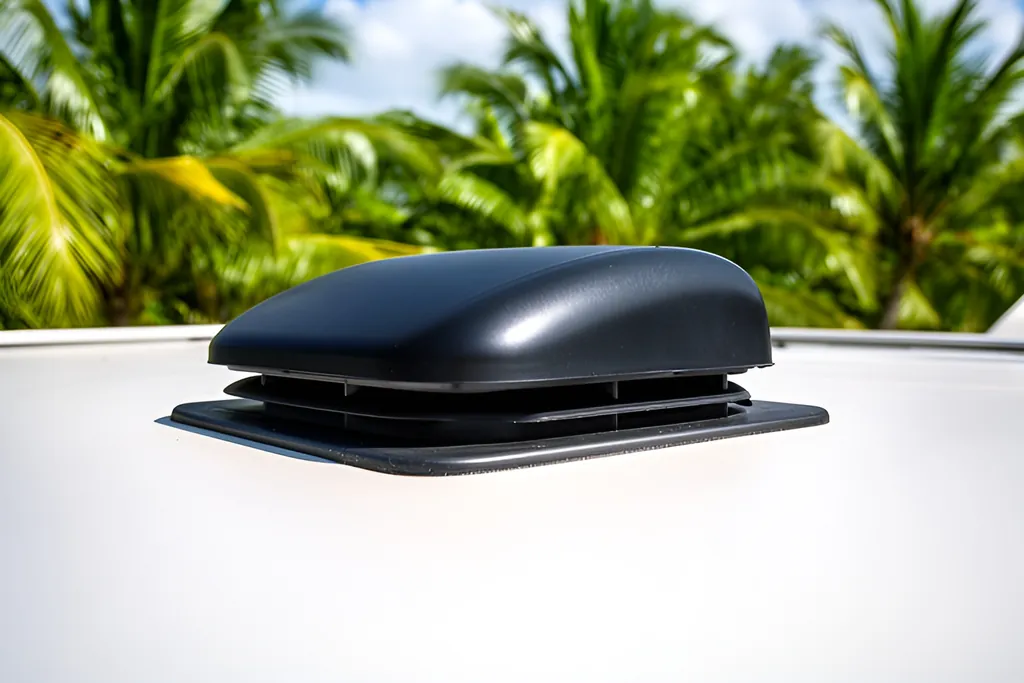
- Clear the ventsLook at the outside lower vent and the roof cap. Oak leaves, wasp nests and lizards block the hot air that must escape.
- Shade that sidePark with the fridge side out of the late-day sun, or run the awning out over the vents.
- Check the door sealClose the door on a dollar bill; if it slides out easily, cold air is leaking and damp air is getting in.
- Use a thermometerAim for 40°F or below on the middle shelf, as the USDA advises, and 0°F up in the freezer.
What the technician does
Both modes get tested, along with the electronics and the temperature sensor; on propane the burner and flue are inspected and cleaned. The tech also looks for any sign of a leak in the cooling unit.
Many techs fit an extra 12-volt fan behind the fridge to pull heat up and out of the roof cap — a common upgrade in Florida.
When the cooling unit itself is gone, expect two prices: a replacement unit, or swapping in a 12-volt compressor fridge.
In Florida, servicing an RV's propane system — lines, the regulator, valves and gas appliances — is work for technicians licensed by the Florida Department of Agriculture and Consumer Services under Chapter 527 of the state statutes. Ask for the license number before gas work begins.
What it costs
| Repair | Typical range | Source |
|---|---|---|
| Refrigerator repair | $400 to several thousand | Jalopnik, “RV repair costs”, January 2026 |
| Technician's hourly rate | $140–200 | Micro-Air, “How much does it cost to replace an RV AC unit”, June 2026; Camping World, “RV Furnace Repair Cost Guide”, October 2026 — labor rates stated in both |
2026 ranges for planning, not a quote. Your tech names the real price after seeing the RV.
The spread depends on the model and the fault. Fuses, heating elements and boards are cheap fixes; a failed cooling unit or a whole new fridge is where the bill climbs.
Prices checked November 2026.
Refrigerator questions
How many hours does an absorption fridge need to cool down?
Several, starting warm. Switch it on the day before you leave and fill it with food that is already chilled.
Should I switch to a compressor fridge?
Many owners in hot climates do: 12-volt compressor fridges cool faster and don't care about level. They need a healthy battery bank, so ask the tech about your power setup first.
Why is there water in my fridge?
Humid air gets in each time the door opens and condenses inside. Keep the door closed, check the gasket, and make sure the drain at the back isn't blocked.
Send a repair request
A phone number is enough — whichever tech accepts will ring you back.