RV propane system repair in Tampa Bay
Every gas appliance in the RV depends on one part: the regulator between the cylinders and the lines. Around Tampa, searches for RV propane regulators peak in January, when furnaces and water heaters work hardest.
The tech comes to the RV — a campsite, your driveway or a storage lot.
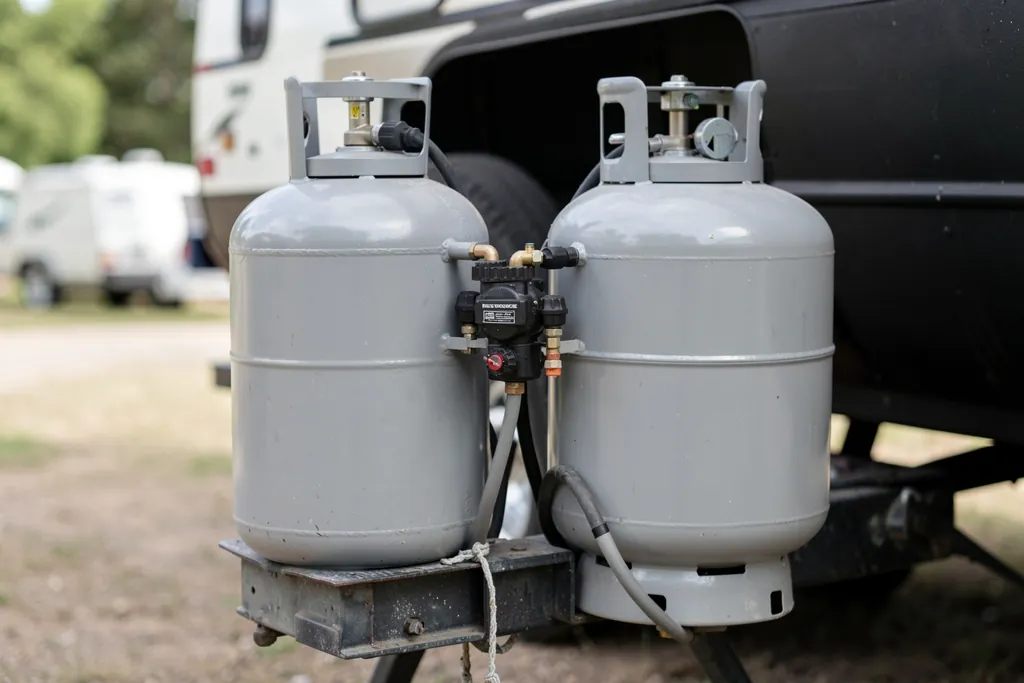
Gas smell? Leave the RV right away and take everyone with you. If the cylinder valve is within safe reach, close it; then phone 911 from a distance.
Signs of a propane problem
- Weak or yellow stove flames
Low or uneven pressure from a failing regulator, or a burner that needs cleaning.
- Every gas appliance struggles
If the furnace, water heater and stove all act up together, the regulator is the first suspect.
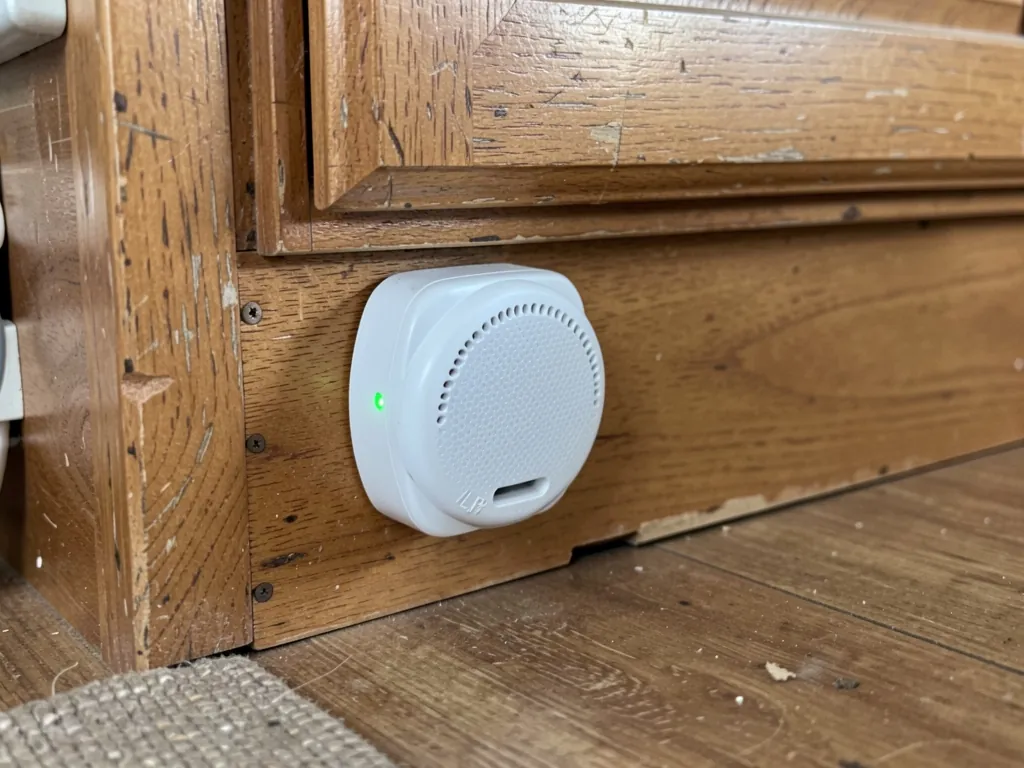
- LP detector beeping
It can mean gas — or a low battery, or a detector past its life. Treat it as a leak until you know.
- Gas smell near the cylinders
A leak at a fitting, the pigtail hoses or the regulator itself.
What you can check safely
- The detector's dateLP detectors in RVs have a service life of about five years, and most show a date on the case. An old one may beep for no reason — or miss a real leak.
- Regulator cover and ventThe regulator's vent should point down and the plastic cover should be on, so rain and dirt can't get in.
- HosesLook at the pigtail hoses for cracks and the fittings for rust. Salt air is hard on them.
- Regulator ageRegulators are usually replaced every 10 to 15 years. If yours is older, or you don't know, ask the tech.
What the technician does
The tech checks the pressure the regulator delivers — on a two-stage RV regulator that's about 11 inches of water column — and runs a leak test on the whole system with a gauge. They replace the regulator, pigtails or fittings that fail, swap an expired detector, and test for leaks again before relighting the appliances.
In Florida, servicing an RV's propane system — lines, the regulator, valves and gas appliances — is work for technicians licensed by the Florida Department of Agriculture and Consumer Services under Chapter 527 of the state statutes. Ask for the license number before gas work begins.
What it costs
| Repair | Typical range | Source |
|---|---|---|
| Two-stage regulator (part) | about $25–50 | RVshare, “RV Propane Regulator 2026”, 2026 |
| Technician's hourly rate | $140–200 | Micro-Air, “How much does it cost to replace an RV AC unit”, June 2026; Camping World, “RV Furnace Repair Cost Guide”, October 2026 — labor rates stated in both |
2026 ranges for planning, not a quote. Your tech names the real price after seeing the RV.
The part is cheap; you pay for the time to replace it and test the system safely.
Prices checked November 2026.
Propane questions
Why is my RV propane detector beeping?
Open windows, turn off the gas and get out. If there's no smell, check the battery voltage and the detector's date — an expired detector beeps often. Replace it rather than unplugging it.
Can I replace the regulator myself?
In Florida, propane work in an RV belongs to technicians licensed by the Florida Department of Agriculture and Consumer Services. The same tech also runs the leak test afterward.
Do I need a new regulator if the old one still works?
Many owners replace them at 10 to 15 years as a precaution, since internal parts wear out.
Send a repair request
A phone number is enough — whichever tech accepts will ring you back.